Nude Celeberties: Why the Obsession Runs Deep
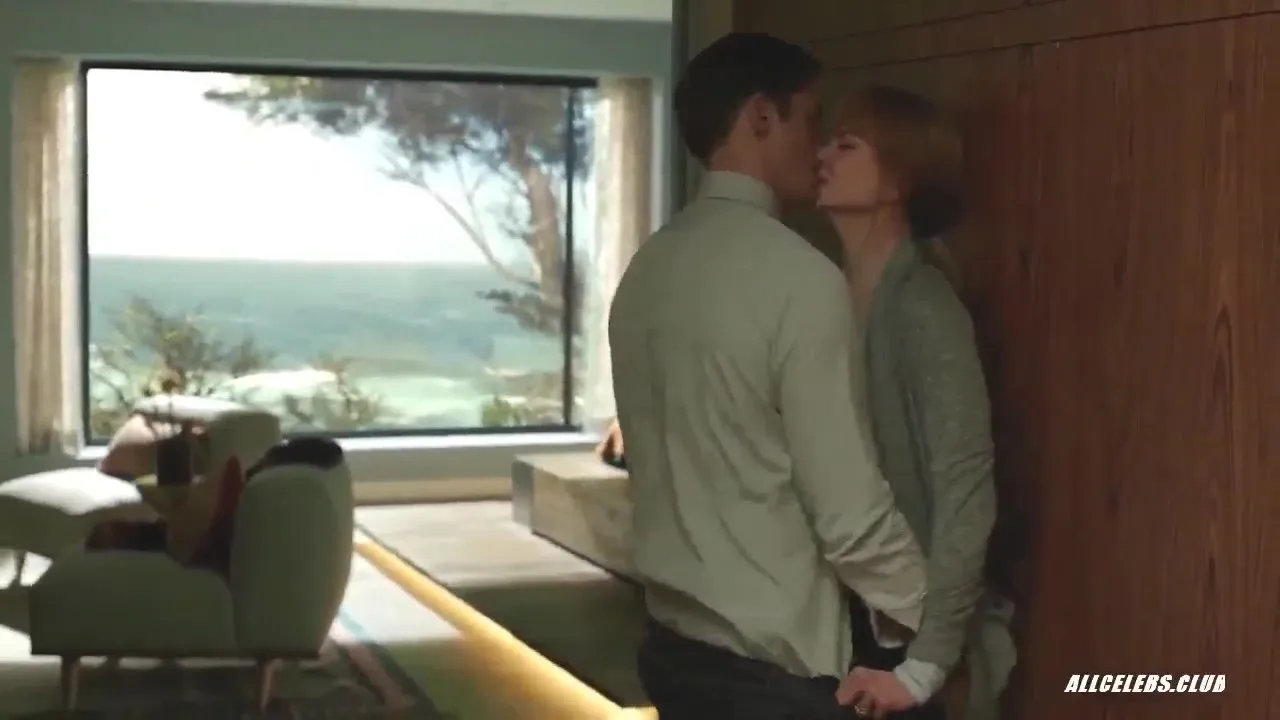
You know the drill. The film's been rolling for forty minutes, the plot's doing its thing, and then it happens — a hand drifts to a hem, the light shifts, and your thumb hovers over the pause button like it's got a mind of its own. That little jolt is the whole reason people go hunting for nude celeberties in the first place. It's not just skin. It's the build, the nerve, the split second where somebody drops the armor and lets you look. And once you've felt that jolt, you start noticing how the good scenes are actually put together — which is what we're getting into here.
Key takeaways
- Buildup beats the reveal every single time
- Room, light and context do half the work
- Awkward honesty outplays perfect posture
Nude Celeberties: Why the Obsession Runs Deep
Strip it back and the appeal is dead simple: you're watching somebody who's spent years building a face, a persona, a way of holding themselves in a room, suddenly stop holding. On a red carpet they're styled to the teeth and lit like a product. In a bedroom scene they're just a body under a crap lamp, and the gap between those two versions is electric. You've seen them glammed up a hundred times; the scene is the take that hasn't been airbrushed into a poster. People don't rewind because the shot is pretty. They rewind because it feels like being let in on something. The camera turns into a mate who saved you a seat. You lean in. That's the hook, and it genuinely never gets old.
The Slow Burn Before the Reveal
A good scene doesn't open with the bra coming off. It starts way earlier — a look held a beat too long, a conversation that keeps circling back to the same corner, a door left ajar. The best directors know the reveal is only as strong as the wait sitting in front of it, so they let the tension coil. A shirt gets tugged at, then dropped. Someone reaches for the light switch and changes their mind. By the time the fabric actually moves, you're already forward in your seat, and the payoff lands twice as hard because you earned it. Watch a scene that feels rushed and you'll notice the camera is already drifting before you've had time to want anything. That's the tell.
Context Is the Whole Damn Game
Where the scene sits matters more than most people admit. A shower is clean and clinical — water does half the work for the lens. A bedroom is loaded: the tangled sheets, the mess on the nightstand, the fact that somebody's about to be seen up close and can't hide behind anything. A dressing room is a different animal entirely, all mirrors and bad fluorescent light and hands that don't quite know where to go. The room tells you what kind of scene you're in before a single button gets undone. Watch how a good actor reads that space. They don't perform at the camera. They behave like the room is real, and that's the thing that sells it.
The Beat Where It Actually Lands
Here's the bit that separates a scene worth remembering from filler: the moment the performer forgets there's a lens a metre away. It's usually small. A breath that catches. A hand that hesitates at a waistband and then commits. The half-laugh when something turns awkward. That's where the heat lives — not in perfect posture, but in the fumble. You can spot a scene shot by somebody who trusts their actor, because they hold the frame a second longer than is comfortable and let the small stuff breathe. The ones who don't trust it cut away too fast, and you're left with a postcard instead of a moment. It's the difference between a scene that's been posed and one that's been played.
The Scenes You Keep Rewinding
Everybody's got a shortlist. The scene you've watched more times than the film it lives inside. The one that pops into your head in the queue at the shop for no reason at all. Ask anyone and they'll name three without thinking. There's no formula for it — sometimes it's the framing, sometimes it's a line delivered right before, sometimes it's just the way the light caught a shoulder blade on the way down. What those scenes share is a kind of honesty. They don't feel staged for a trailer. They feel like a slice of somebody's actual Tuesday night, and that's exactly why your thumb keeps dragging the timeline back to the same spot.
What Makes a Scene Stick
Perfection is boring. A scene where everyone's abs are flexed and the hair's immaculate reads like a shampoo ad. The ones that stick are messier — a strap that slips, a sheet that won't cooperate, a laugh halfway through a kiss. That's the stuff that makes a viewer feel like a person instead of a critic. Good performers lean into it. They let the awkwardness sit there instead of papering over it, and the scene ends up warmer for it. So when you're sizing one up, stop grading it on how flawless it looks and start watching how alive it feels. The live ones are the keepers, every time.
None of this is rocket science. It's craft, patience and a camera that knows when to hold still. Get those right and a nude scene stops being a pit stop in the plot and becomes the part you actually talk about afterwards. Get them wrong and it's just skin under a lamp. That gap is what the whole genre lives or dies on — and it's why the good ones never quite leave your head.
What actually makes a nude scene good?
Buildup, mostly. The reveal only hits if the scene has spent time coiling the tension first — a held look, a door left ajar, a shirt half-tugged. Add a room that means something and an actor who behaves like the camera isn't there, and you've got a scene people rewind.
Why do some scenes look so much better than others?
It usually comes down to light, framing and trust. A director who holds the shot a beat longer and lets the small fumbles sit there gets something alive. One who cuts away early gets a postcard. The room does a lot of work too — a cluttered bedroom reads warmer than a bare studio.
Should I watch the whole film or just skip to the scene?
Watch the film if you can. The scene lands harder when you know who these people are and what's at stake between them. If you're only in it for the moment, at least back up two minutes and catch the buildup — that's where half the heat actually lives.



